
What Is a Lipid Profile?
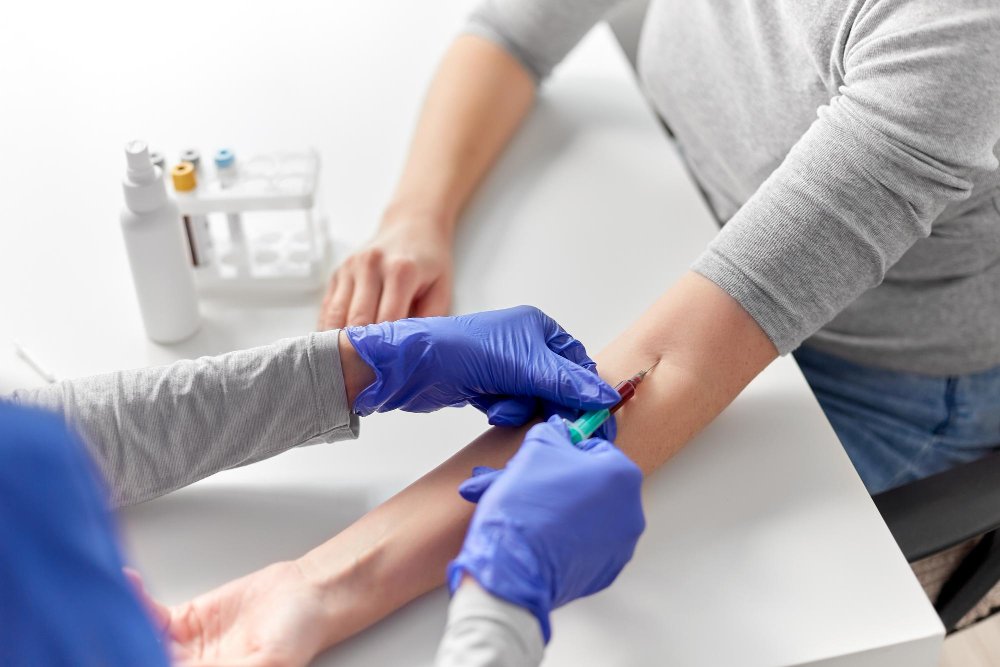
A lipid profile is a simple blood test. It measures the levels of fats in your blood. These fats include cholesterol and triglycerides. Doctors use the lipid profile to check your risk for heart disease. Many people call it a cholesterol test. However, it gives more details than just cholesterol levels.
Why Is a Lipid Profile Important?
Knowing your lipid profile helps you stay healthy. High cholesterol or triglycerides can lead to heart problems. For example, they may cause heart attacks or strokes. Early detection lets you make changes before problems start. In many cases, a lipid profile can even save lives.
Main Components of a Lipid Profile
A lipid profile test measures several key fats in your blood. Each one tells something important about your health. Here are the main parts:Total Cholesterol: This is the sum of all cholesterol in your blood.LDL (Low-Density Lipoprotein): Often called “bad” cholesterol. High levels can block blood vessels.HDL (High-Density Lipoprotein): Known as “good” cholesterol. It helps remove extra cholesterol from your body.Triglycerides: These are another type of fat. High levels can also raise your risk for heart disease.
Common Reasons for Ordering a Lipid Profile
Doctors may suggest a lipid profile for many reasons. For instance, they may order it if you:Have a family history of heart diseaseAre overweight or have diabetesSmoke or have high blood pressureAre over 40 years oldNeed to check your response to cholesterol-lowering treatment
Sometimes, doctors recommend regular testing even if you feel healthy. This is because high cholesterol often has no symptoms.
How to Prepare for a Lipid Profile Test
Proper preparation helps get accurate results. Usually, you need to fast before the test. This means you should not eat or drink anything except water for 9 to 12 hours. However, some labs now offer non-fasting tests. Always ask your doctor what is best for you.
Here are some tips to prepare:Follow your doctor’s instructions about fastingDrink water if you feel thirstyAvoid alcohol for at least 24 hours before the testTell your doctor about any medicines you take
In many cities and towns, lipid profile tests are available at hospitals and clinics. You can also find them at health camps or diagnostic centers.
Understanding Your Lipid Profile Results
After the test, your doctor will explain your results. Here is what the numbers usually mean:Total Cholesterol: Less than 200 mg/dL is considered goodLDL (Bad Cholesterol): Less than 100 mg/dL is bestHDL (Good Cholesterol): 40 mg/dL or higher is betterTriglycerides: Less than 150 mg/dL is normal
However, these ranges may vary based on your age and health. Your doctor will help you understand what your numbers mean. If your levels are high, you may need to make changes to your lifestyle or take medicine.
Lifestyle Tips for Healthy Lipid Levels
Keeping your lipid profile in a healthy range is important. Here are some simple tips:Eat more fruits, vegetables, and whole grainsChoose lean meats and fish instead of red meatLimit foods high in saturated fat and sugarExercise for at least 30 minutes most daysAvoid smoking and limit alcoholMaintain a healthy weight
Even small changes can make a big difference over time. For example, walking daily or choosing healthier snacks can help lower cholesterol.
Prevention and Early Detection
Regular lipid profile tests help find problems early. Early detection means you can take steps before heart disease develops. In addition, healthy habits can prevent high cholesterol from starting. The World Health Organization and CDC both recommend regular screening for adults, especially if you have risk factors.
Conclusion: Take Charge of Your Heart Health
A lipid profile is a simple test with big benefits. It helps you understand your cholesterol levels and heart risk. Because early action is key, talk to your doctor about when to get tested.
Consult Lifecure Labs for personalized advice on your lipid profile results.