
What Is Electrocardiography?
Electrocardiography is a simple test that checks your heart’s electrical activity. Doctors use it to see how your heart is working. Often, people call this test an ECG or EKG. The main purpose is to find heart problems early. For example, it can help spot irregular heartbeats or signs of a heart attack. According to the World Health Organization (WHO), early detection can save lives. Because of this, electrocardiography is a key tool in heart health monitoring.
How Does Electrocardiography Work?
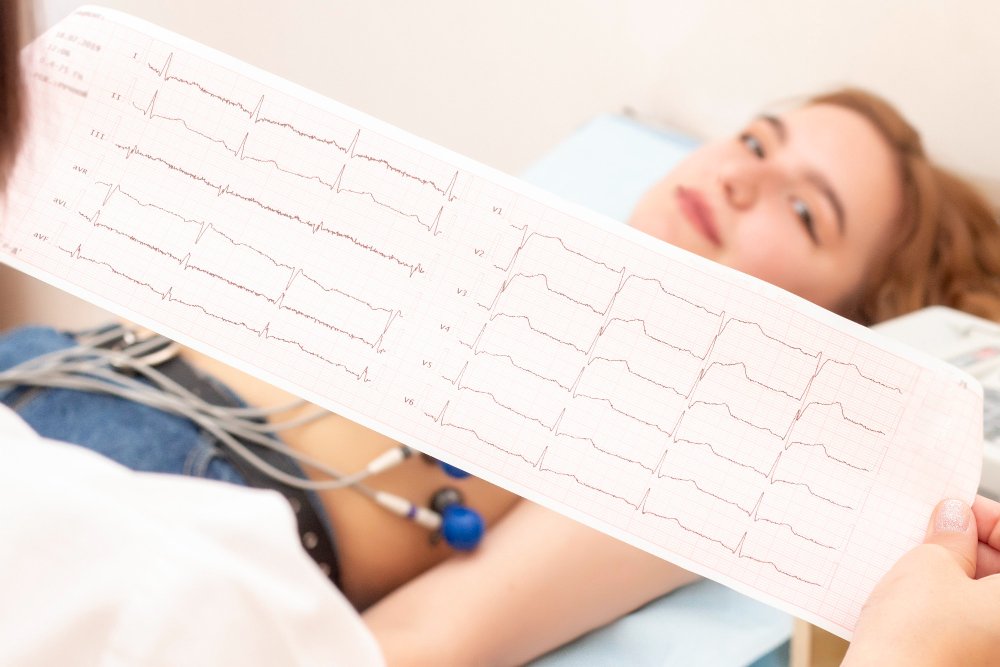
During an ECG test, small sticky patches called electrodes are placed on your skin. These patches connect to wires that lead to a machine. The machine records your heart’s electrical signals. As a result, it creates a graph called an electrocardiogram. This graph shows how your heart beats. The process is quick and painless. Most people finish the test in less than 10 minutes. In addition, the equipment is safe and does not send electricity into your body.
Common Reasons for an Electrocardiogram
Doctors may suggest an electrocardiogram for many reasons. For instance, you might need one if you have chest pain or feel dizzy. Sometimes, it is used before surgery or as part of a regular checkup. Here are some common reasons for an ECG test:Chest pain or discomfortShortness of breathIrregular heartbeats (palpitations)Family history of heart diseaseHigh blood pressureMonitoring heart health during treatment
Because it is quick and easy, doctors use it often to check for heart problems.
What to Expect During the Procedure
Before the ECG test, you may need to remove jewelry or wear a hospital gown. Next, a nurse or technician will clean small areas on your chest, arms, and legs. Then, they place electrodes on these spots. You will lie still on a bed while the machine records your heart’s activity. The test does not hurt. Usually, it takes only a few minutes. Afterward, the electrodes are removed, and you can return to your normal activities. Because the test is simple, most people feel comfortable during the procedure.
Understanding Results
After the test, a doctor reviews your electrocardiogram. The ECG shows the timing and strength of your heartbeats. If there are any problems, such as irregular rhythms or signs of a past heart attack, the doctor will explain them. Sometimes, the results are normal, and no action is needed. In other cases, you may need more tests or treatment. For example, an abnormal ECG can help doctors find heart disease early. According to the CDC, early treatment can improve outcomes.
Safety and Risks
Electrocardiography is very safe. The test does not use radiation or cause pain. There are no serious risks for most people. Sometimes, the sticky pads may cause mild skin irritation. However, this goes away quickly. Because the test is non-invasive, it is safe for children and adults. If you have concerns, talk to your healthcare provider before the test.
Prevention and Lifestyle Guidance
Regular ECG tests can help monitor your heart health. For people with risk factors, such as high blood pressure or diabetes, this is important. Early detection of heart problems can lead to better care. In addition, a healthy lifestyle can support your heart. Here are some tips:Eat a balanced diet with fruits and vegetablesExercise regularly, even simple walks helpAvoid smoking and limit alcoholManage stress with relaxation techniquesSee your doctor for regular checkups
Because electrocardiography is quick and easy, it is a useful tool for heart health monitoring.
Conclusion
In summary, electrocardiography is a safe and simple way to check your heart’s health. It helps doctors find problems early and guide treatment. If you have questions about the ECG test or your heart health, consult a healthcare professional at Lifecure Labs for personalized advice about electrocardiography or heart health.