
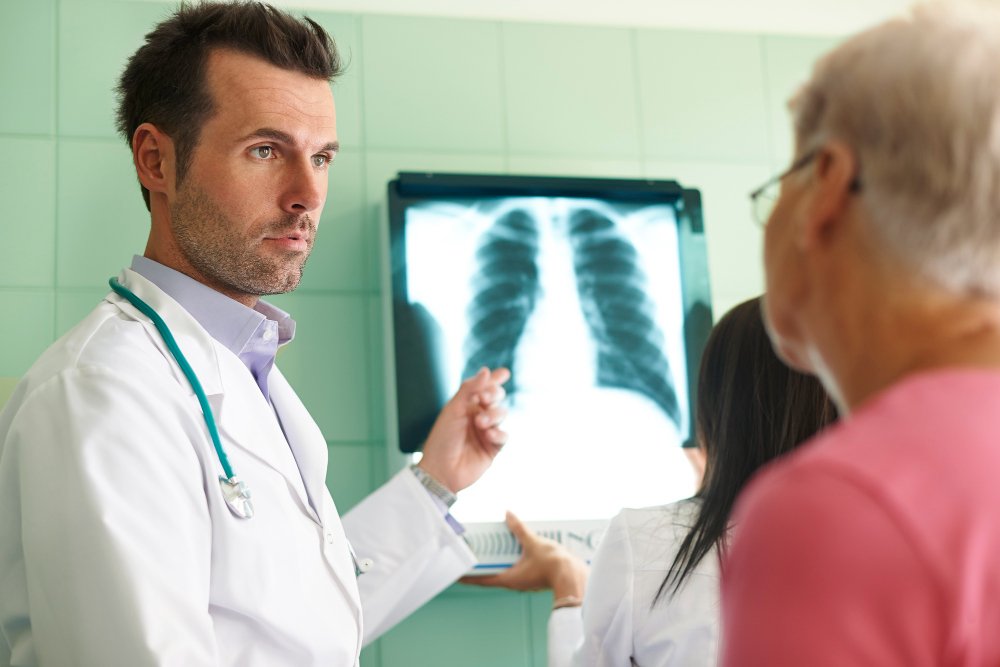
What is Tuberculosis Screening?
Tuberculosis screening is a simple way to check if someone has been exposed to tuberculosis (TB). TB is a serious infection caused by bacteria. Early detection of tuberculosis can help prevent its spread. Screening helps find people who may have TB, even if they do not feel sick. This process is important in both high-risk areas and places where TB is less common.
Why is Tuberculosis Screening Important?
First, tuberculosis screening helps protect your health and the health of others. If TB is found early, it can be treated before it spreads. Also, many people with TB do not have symptoms at first. Because of this, screening is the best way to catch the infection early. According to the World Health Organization (WHO), early detection of tuberculosis saves lives and stops outbreaks.
Who Should Get Screened for Tuberculosis?
Not everyone needs tuberculosis screening. However, some people are at higher risk. You should consider screening if you:Live or work in a high-risk area or countryHave close contact with someone who has TBWork in healthcare, prisons, or sheltersHave a weak immune system, such as from HIVAre a child or elderly person in a high-risk group
In addition, people with certain medical conditions may need screening. If you are unsure, ask your doctor who needs tuberculosis screening in your area.
Common Tuberculosis Screening Methods
There are two main TB screening tests. Both are safe and easy to do. The most common methods include:TB Skin Test (Mantoux test): A small amount of fluid is injected under the skin. After two or three days, a healthcare worker checks for a reaction.TB Blood Test (IGRA): A blood sample is taken and tested in a lab. This test is often used for people who have had the TB vaccine.
Sometimes, a chest X-ray or sputum test may be needed if the first tests are positive. The tuberculosis screening process is quick and usually painless.
How to Prepare for a Tuberculosis Screening
Preparing for TB screening is simple. You do not need to fast or change your routine. However, you should:Tell your doctor about any allergies or past TB testsBring a list of your medicinesInform the clinic if you have had the TB vaccine (BCG)
Most people can return to normal activities right after the test. Still, follow any special instructions from your healthcare provider.
What to Expect During and After Screening
During the TB skin test, you may feel a small pinch. Afterward, you will need to return in two or three days to check the result. For the blood test, a quick blood draw is all that is needed. Results are usually ready in a few days. If your test is positive, your doctor may order more tests to confirm if you have active TB or only a past infection. Either way, early detection of tuberculosis helps you get the right care.
Preventive Tips and Next Steps
After screening, follow your doctor’s advice. If you test positive, take all medicines as directed. To help prevent TB:Cover your mouth when coughing or sneezingWash your hands oftenStay home if you are sickComplete your treatment if prescribed
Remember, regular tuberculosis screening is key for people at risk. Early action can protect you and your community.
If you have questions or think you may need TB screening, consult a healthcare professional at Lifecure Labs for personalized advice on tuberculosis screening.