
Introduction to Thalassemia
Thalassemia is a blood disorder that affects how your body makes hemoglobin. Hemoglobin is the part of red blood cells that carries oxygen. People with thalassemia have fewer healthy red blood cells. As a result, they may feel tired or weak. This condition is inherited, which means it runs in families. Thalassemia can be mild or severe. Understanding thalassemia is important for early care and better health.
Causes of Thalassemia
Thalassemia happens because of changes in certain genes. These genes help your body make hemoglobin. If one or both parents carry the gene, their child may have thalassemia. There are two main types:Alpha thalassemia: Caused by changes in the alpha globin gene.Beta thalassemia: Caused by changes in the beta globin gene.
Often, people inherit the gene from both parents. However, some only get it from one parent and may have a milder form. According to the CDC, thalassemia is more common in people from the Mediterranean, Middle East, Africa, and South Asia.
Common Symptoms
Symptoms of thalassemia can vary. Some people have no symptoms, while others may have severe problems. For example, children with severe thalassemia may show signs early in life. Common thalassemia symptoms include:Fatigue or feeling tiredPale or yellowish skinSlow growth in childrenBone problems, especially in the faceDark urineEnlarged spleen
If you notice these symptoms, it is important to talk to a doctor. Early care can help manage the condition.
Diagnosis Methods
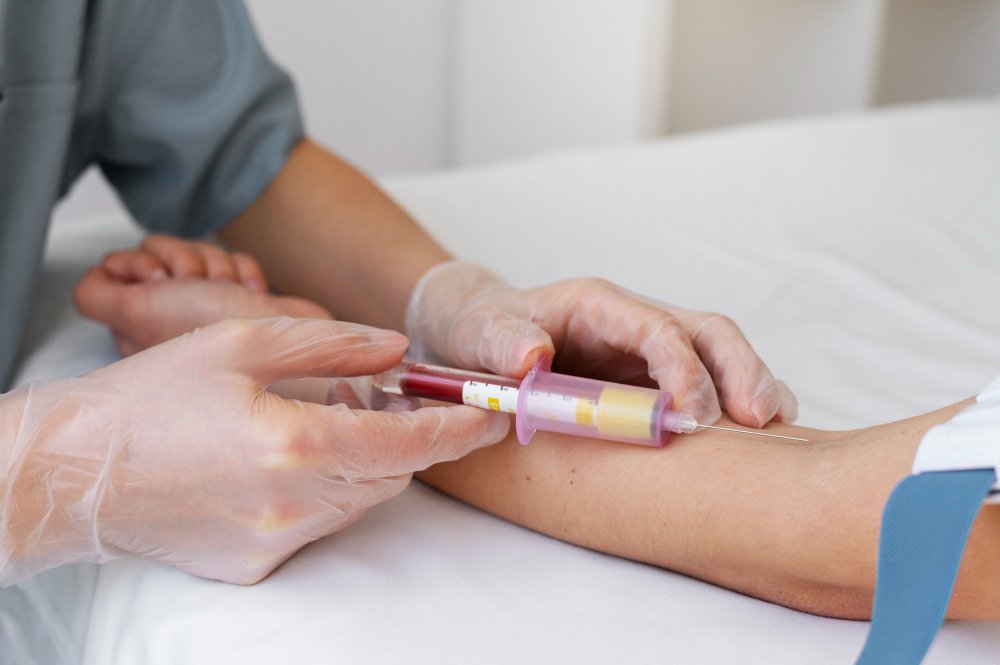
Doctors use several ways to find out if someone has thalassemia. Usually, they start with a blood test. This test checks for low red blood cells and unusual hemoglobin. In addition, doctors may use:Hemoglobin electrophoresis: This test finds different types of hemoglobin in the blood.Genetic testing: This checks for changes in the genes that cause thalassemia.Family history: Doctors may ask if anyone in your family has thalassemia.
Wondering how is thalassemia diagnosed? These tests help doctors confirm the type and severity of thalassemia. Early diagnosis can lead to better treatment.
Treatment Options
Thalassemia treatment options depend on how severe the condition is. Some people need little or no treatment. Others may need regular care. Common treatments include:Blood transfusions: These add healthy red blood cells to the body.Iron chelation therapy: This removes extra iron from the body, which can build up after many transfusions.Folic acid supplements: These help the body make new red blood cells.Bone marrow transplant: In some cases, this can cure thalassemia.
Doctors will choose the best treatment based on your needs. According to the World Health Organization, regular check-ups are important for managing thalassemia.
Lifestyle and Management Tips
Living with thalassemia can be easier with healthy habits. For instance, you can:Eat a balanced diet rich in fresh fruits and vegetablesAvoid foods high in iron unless your doctor says otherwiseStay active, but rest when you feel tiredKeep up with regular doctor visitsTake medicines as prescribedGet vaccines to prevent infections
With good care, many people with thalassemia lead full lives. However, always follow your doctor’s advice for the best results.
Prevention and Risk Factors
Thalassemia is inherited, so you cannot prevent it if you already have the gene. However, you can lower the risk for your children. For example, couples with a family history can get genetic counseling before having a baby. This helps them understand the risk of passing thalassemia to their child. Risk factors include:Family history of thalassemiaBelonging to certain ethnic groups, such as Mediterranean, Middle Eastern, or South Asian
Knowing your risk can help you make informed choices about family planning.
Conclusion
Thalassemia is a serious but manageable condition. Early diagnosis and proper care can make a big difference. If you or a loved one may have thalassemia, consult a healthcare professional at Lifecure Labs for personalized advice.