
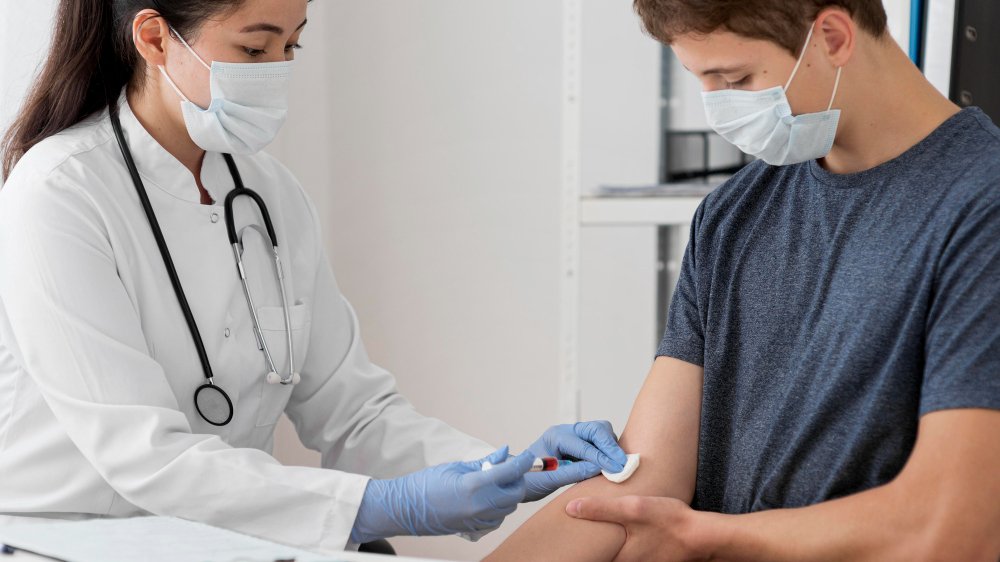
A preventive health checkup is a routine health screening that helps you stay ahead of illness. Regular checkups can spot problems early, even before you feel sick. Because early detection is key, a preventive health checkup can protect your long-term health. Many people wait until they feel unwell, but regular checkups help you catch issues before they become serious. In this blog, you will learn why preventive health checkups matter, what they include, and how to prepare for one.
What is a Preventive Health Checkup?
A preventive health checkup is a set of medical tests and exams. These tests look for signs of disease before symptoms appear. For example, a doctor may check your blood pressure or test your blood for diabetes. The main goal is early detection. When problems are found early, treatment is often easier and more effective. Preventive health checkups are also called wellness checks or health assessments. They help you understand your health and make better choices.
Why Are Preventive Health Checkups Important?
Preventive health checkups offer many benefits. Not only do they help you stay healthy, but they also save time and money in the long run. Here are the main reasons why these checkups are important:Early diagnosis: Find health problems before they get worse.Cost savings: Treating diseases early is often less expensive than treating advanced illness.Improved quality of life: Stay active and healthy for longer.Peace of mind: Know your health status and reduce worry.Better planning: Make informed choices about your lifestyle and care.
Common Tests Included in a Preventive Health Checkup
Most preventive health checkups include several basic tests. Each test checks a different part of your health. Here are some common tests and what they do:Blood tests: Check for diabetes, anemia, infections, and organ health.Urine analysis: Find kidney problems or infections.Cholesterol test: Measure your risk for heart disease.Blood pressure check: Spot high or low blood pressure early.Body weight and BMI: Assess your risk for obesity-related diseases.ECG (Electrocardiogram): Check your heart’s rhythm and health.Liver and kidney function tests: Make sure these organs are working well.Eye and hearing tests: Detect vision or hearing loss early.
Who Should Get a Preventive Health Checkup?
Everyone can benefit from a preventive health checkup. However, some people need them more often. Here’s who should consider regular checkups:Adults over age 30 should get a checkup every year.People with family history of heart disease, diabetes, or cancer.Anyone with high blood pressure, high cholesterol, or obesity.Smokers or people with unhealthy habits.Those with ongoing health conditions.
Children and teens also need regular checkups, but the tests may differ. Your doctor can guide you on the right schedule for your age and risk factors.
How to Prepare for a Preventive Health Checkup
Good preparation helps you get the most from your health assessment. Here are some tips to follow before your checkup:Fast for 8-12 hours if your doctor asks for blood tests.Take your regular medicines unless told otherwise.Bring a list of all medicines and supplements you use.Wear comfortable clothes for easy movement.Carry your previous health records, if you have them.Drink water, but avoid coffee or tea before blood tests.
Ask your clinic if there are any special instructions for your routine health screening.
What to Expect During and After the Checkup
Knowing what happens during a preventive health checkup can ease your mind. Here is a step-by-step guide:First, you register at the clinic or hospital.Next, a nurse or technician will check your weight, height, and blood pressure.Then, you may give blood and urine samples for testing.After that, a doctor will review your medical history and ask about your lifestyle.Sometimes, you may have an ECG or other special tests.Finally, the doctor will discuss your results and suggest next steps.
After your checkup, you will get your test results. The doctor will explain what they mean. If any problems are found, you may need more tests or treatment. Otherwise, you will get advice on how to stay healthy.
Prevention and Lifestyle Guidance
Once you know your health status, you can take steps to improve it. At Lifecure Labs, you can follow these healthy habits after your wellness check:Eat a balanced diet with fruits, vegetables, and whole grainsExercise for at least 30 minutes most daysAvoid smoking and limit alcohol consumptionGet enough sleep every nightManage stress with relaxation techniques or hobbiesFollow your doctor’s advice for any health issues found
Regular follow-up visits at Lifecure Labs help track your progress and stay on top of your health.
Take charge of your health today. Schedule a preventive health checkup at Lifecure Labs and consult your healthcare provider for advice tailored to your needs.