
Introduction
High sensitive troponin is a special blood test that helps doctors check for heart problems. This test can find very small amounts of troponin, a protein released when the heart is damaged. Because of this, high sensitive troponin is important in finding heart issues early. Many people hear about this test when they visit the hospital with chest pain. In this blog, you will learn what high sensitive troponin means, why it matters, and how it can help protect your heart health.
What is High Sensitive Troponin?
High sensitive troponin is a blood test that measures tiny amounts of troponin in your blood. Troponin is a protein found in heart muscle. When the heart is hurt, even a little, troponin leaks into the blood. Standard troponin tests can miss small changes. However, high sensitive troponin tests can find even the smallest rise. This means doctors can spot heart problems sooner than before.
Why is High Sensitive Troponin Important?
High sensitive troponin helps doctors detect heart problems early. For example, it can show if someone is having a heart attack or another heart issue. Early detection means treatment can start sooner, which can save lives. Doctors often order this test if you have chest pain, shortness of breath, or other signs of heart trouble. In many hospitals, this test is now a standard part of checking for heart attacks.
Symptoms and Causes Related to High Sensitive Troponin
Doctors may order a high sensitive troponin test if you have symptoms like:Chest pain or pressureShortness of breathFeeling weak or dizzySudden sweatingPain in the neck, jaw, or arm
There are several causes for high troponin levels. Most often, it means the heart muscle is damaged. Common causes include:Heart attackSevere high blood pressureHeart failureFast or irregular heartbeatOther serious illnesses, like kidney disease
Sometimes, even heavy exercise or infections can raise troponin a little. But, high levels usually mean the heart needs attention.
How is High Sensitive Troponin Tested?
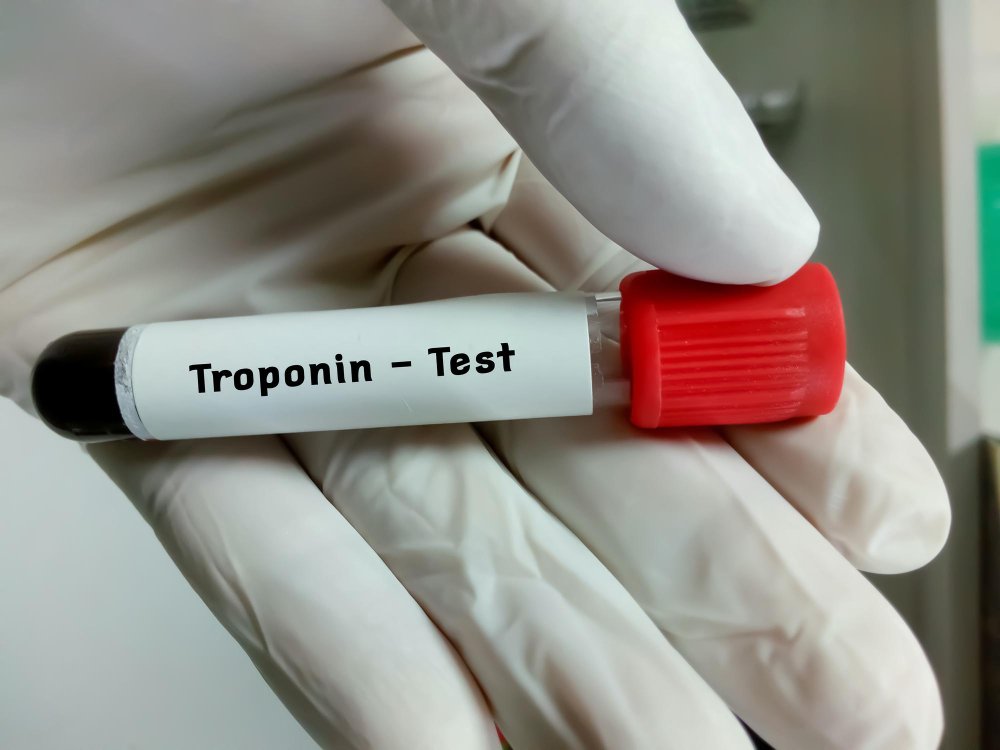
Getting a high sensitive troponin test is simple. First, a nurse or doctor takes a small blood sample from your arm. Next, the blood goes to a lab for testing. The process is quick and usually not painful. You may need more than one test over a few hours. This helps doctors see if your troponin levels are rising or falling.
Understanding Your Results
After the test, your doctor will explain the results. If your high sensitive troponin level is normal, your heart is likely healthy. However, if the level is high, it may mean your heart is damaged. Sometimes, a small rise is not serious, but a big jump can signal a heart attack. If you have high results, your doctor will decide what steps to take next. Always ask your doctor if you have questions about your results.
Treatment and Next Steps
If your high sensitive troponin levels are high, your doctor may order more tests. For example, you might need an ECG or a heart scan. Treatment depends on the cause. If you are having a heart attack, you may need medicine or a procedure to open blocked arteries. In any case, it is important to follow your doctor’s advice. Do not ignore high troponin levels, as they can signal serious heart problems.
Prevention and Heart Health Tips
Taking care of your heart can help prevent high troponin levels. Here are some simple tips:Eat a healthy diet with fruits and vegetablesExercise regularly, even simple walks helpAvoid smoking and limit alcoholKeep your blood pressure and cholesterol in checkManage stress with relaxation or hobbiesSee your doctor for regular check-ups
By following these steps, you can lower your risk of heart problems.
Frequently Asked Questions
What does high sensitive troponin mean? It shows if your heart muscle is damaged.Is the test painful? No, it is a simple blood test.Can exercise raise troponin? Sometimes, but usually only a little.Should I worry if my levels are high? You should talk to your doctor right away.How often is this test done? It is done when heart problems are suspected.
If you have concerns about your heart health or high-sensitive troponin levels, consult a healthcare specialist at Lifecure Labs for personalized advice.