
What is the Glycated Hemoglobin Test (HbA1c)?
The Glycated Hemoglobin Test, also called the HbA1c blood test, measures your average blood sugar over the past two to three months. This test checks how much sugar is attached to your red blood cells. Because red blood cells live for about three months, the HbA1c test gives a long-term view of your blood sugar control. Many doctors use this test to help diagnose and monitor diabetes.
Why is the HbA1c Test Important?
For many people, the HbA1c test is a key tool in managing diabetes. Unlike daily blood sugar checks, this test shows your overall blood sugar control. As a result, it helps doctors see if your treatment plan is working. According to the CDC, keeping your HbA1c in the target range lowers your risk of diabetes complications, such as heart disease, kidney problems, and nerve damage.
Who Should Get the HbA1c Test?
Doctors recommend the HbA1c test for several groups. For example, you may need this test if you:Have symptoms of high blood sugar, such as thirst or frequent urinationAre at risk for diabetes due to family history or weightAlready have diabetes and need regular monitoringAre pregnant and have risk factors for gestational diabetes
In addition, adults over 45 should consider regular screening, especially if they have risk factors.
How is the HbA1c Test Performed?
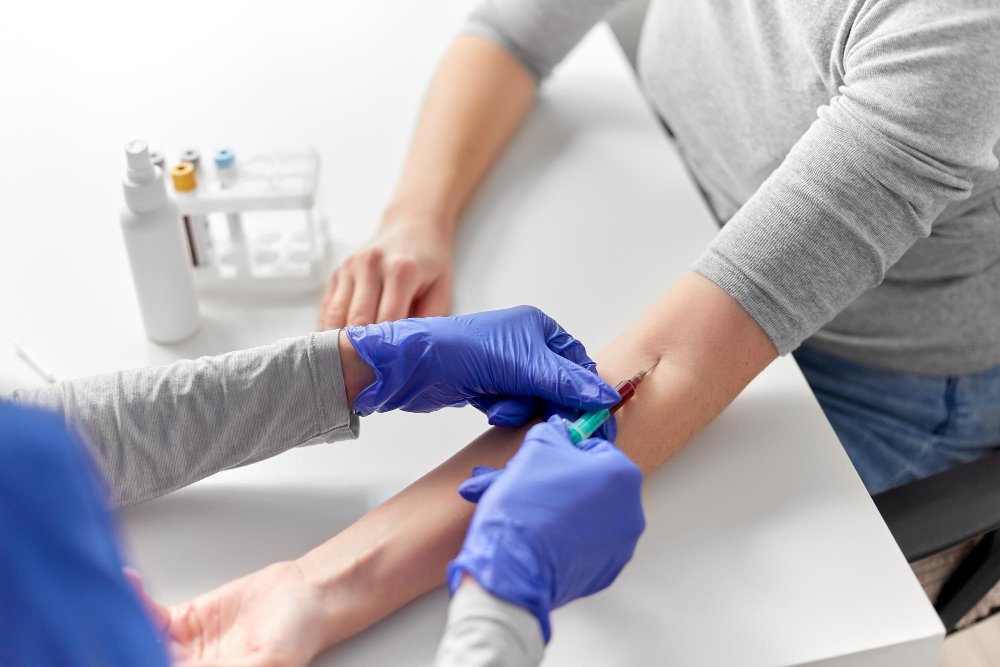
The HbA1c blood test is simple and quick. First, a healthcare worker takes a small blood sample from your arm or finger. Next, the sample goes to a lab for analysis. You do not need to fast before this test, which makes it easier than some other blood sugar tests. Usually, you get your results within a few days.
Understanding HbA1c Results and Normal Ranges
It is important to know what your HbA1c result means. The glycated hemoglobin normal range for most healthy adults is below 5.7%. Here is a simple guide:Below 5.7%: Normal5.7% to 6.4%: Prediabetes (higher risk for diabetes)6.5% or higher: Diabetes
However, your target range may differ based on age, health, or pregnancy. Always ask your doctor what is best for you.
What Do Abnormal HbA1c Levels Mean?
Sometimes, your HbA1c may be higher or lower than normal. If your level is high, it means your blood sugar has been above target for several months. This can increase your risk of diabetes complications. On the other hand, a low HbA1c may suggest low blood sugar episodes, which can also be dangerous. Therefore, it is important to keep your HbA1c within your target range.
How to Prepare for the HbA1c Test
Good news: you do not need to fast or change your diet before the HbA1c test. However, let your doctor know about any medicines or health conditions you have. Some conditions, like anemia, can affect your results. If you are unsure, always ask your healthcare provider before the test.
Tips for Managing Blood Sugar and Improving HbA1c
Keeping your HbA1c in a healthy range can help you avoid complications. Here are some tips to help you lower HbA1c and manage your blood sugar:Eat balanced meals with whole grains, fruits, and vegetablesExercise regularly, even simple walks helpTake your medicines as prescribedCheck your blood sugar as your doctor advisesStay hydrated and avoid sugary drinksManage stress with relaxation or hobbies
Above all, regular check-ups with your doctor can help you stay on track.
Frequently Asked Questions About the HbA1c Test
How often should I get the HbA1c test?Most people with diabetes need the test every three to six months. Those at risk may need it yearly.Can I eat before the test?Yes, you can eat and drink as usual before the HbA1c blood test.Is the test painful?You may feel a quick pinch, but the test is not very painful.Can other conditions affect my HbA1c result?Yes, conditions like anemia or recent blood loss can change your results. Always tell your doctor about your health history.How can I lower my HbA1c?Healthy eating, regular exercise, and taking your medicines can help lower HbA1c. Talk to your doctor for a plan that fits you.
Conclusion
The Glycated Hemoglobin Test: HbA1c is a simple way to check your long-term blood sugar control. Because it gives a clear picture of your health, it is important for anyone with diabetes or at risk. If you have questions about your HbA1c levels, consult a healthcare professional at Lifecure Labs for personalized advice.