
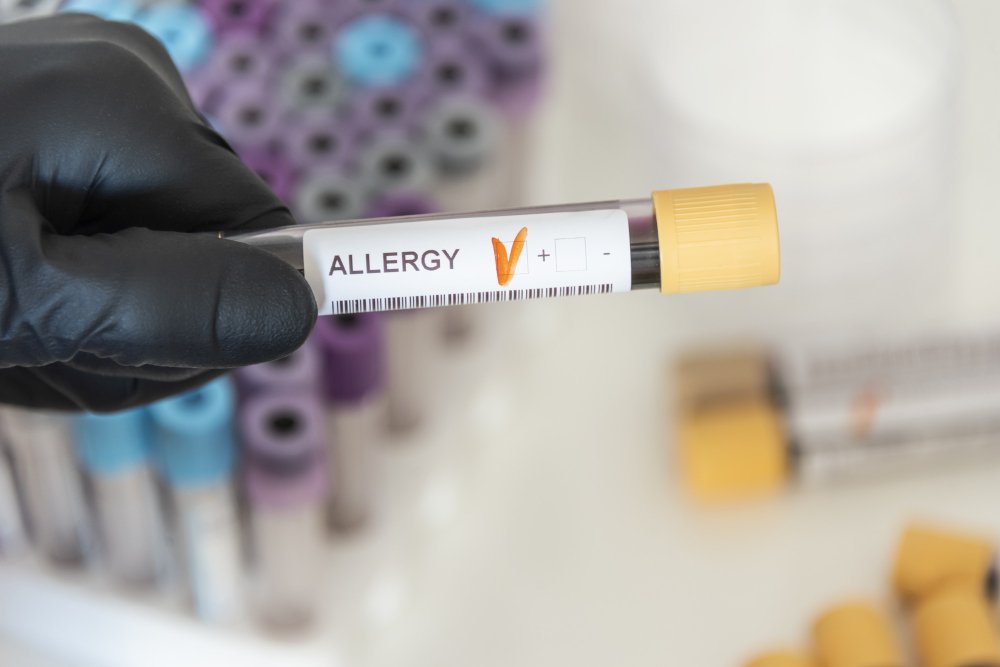
What Is a Comprehensive Allergy Test?
A comprehensive allergy test helps find out what causes your allergy symptoms. This test checks your body’s reaction to many common allergens. For example, it can test for pollen, dust, pet dander, foods, and more. Many people choose this test to get clear answers about their allergies. Because it covers a wide range of triggers, a comprehensive allergy test gives a full picture of your allergy profile. According to the CDC, allergy testing is safe and helpful for most people.
Common Symptoms That May Require Allergy Testing
Allergy symptoms can be mild or severe. If you notice these signs, you may need an allergy test:Sneezing or runny noseItchy or watery eyesSkin rashes or hivesSwelling of lips, tongue, or faceShortness of breath or wheezingStomach pain or nausea after eating certain foods
Sometimes, symptoms appear only during certain seasons. Other times, they happen after contact with pets or certain foods. If you have these signs often, consider a comprehensive allergy test.
Causes and Risk Factors for Allergies
Allergies happen when your immune system reacts to harmless things. These things are called allergens. For instance, pollen, dust mites, mold, and some foods can cause allergies. Genetics play a big role. If your parents have allergies, you are more likely to have them too. Also, living in areas with high pollution or lots of pollen can increase your risk. According to the World Health Organization (WHO), allergies are common worldwide and can affect anyone.
How Comprehensive Allergy Tests Are Performed
Doctors use different methods to check for allergies. The most common allergy testing process includes:Skin Prick Test: Small drops of allergens are placed on your skin. Then, the skin is gently pricked. If you are allergic, a small bump or redness appears.Blood Test: A blood sample is taken to measure antibodies. These antibodies show if your body reacts to certain allergens.Patch Test: Patches with allergens are placed on your back for a few days. This test checks for delayed skin reactions.
Before your test, your doctor may ask you to stop certain medicines. This helps get accurate results. Always follow your doctor’s advice on how to prepare for an allergy test.
Interpreting Test Results
After the test, your doctor will review the results with you. A positive result means your body reacts to a specific allergen. However, not all positive results mean you will have symptoms. Sometimes, people react in tests but not in real life. Your doctor will explain what the results mean for you. They may suggest avoiding certain triggers or starting treatment. For best results, always discuss your test findings with a healthcare specialist.
Treatment Options After Diagnosis
Once you know your allergies, you can manage them better. Treatment options include:Avoiding known allergensTaking allergy medicines, such as antihistaminesUsing nasal sprays or eye dropsGetting allergy shots (immunotherapy) for long-term relief
In some cases, your doctor may suggest carrying an epinephrine auto-injector for severe allergies. Early treatment can help prevent serious reactions.
Lifestyle Tips and Prevention Strategies for Allergy Management
Managing allergies is easier with a few lifestyle changes. Here are some helpful tips:Keep windows closed during high pollen seasonsUse air purifiers at homeWash hands and face after being outdoorsShower and change clothes after outdoor activitiesClean your home often to reduce dust and pet danderRead food labels carefully if you have food allergies
With these steps, you can lower your risk of allergy symptoms. However, always talk to your doctor before making big changes.
Frequently Asked Questions About Allergy Testing
Is a comprehensive allergy test safe? Yes, these tests are safe for most people. Side effects are rare and usually mild.How long does the allergy testing process take? Skin tests take about 20–40 minutes. Blood tests may take a few days for results.How do I prepare for an allergy test? Your doctor may ask you to stop certain medicines. Always follow their instructions.Can children have allergy tests? Yes, children can have allergy tests if needed.Will I need more than one test? Sometimes, your doctor may suggest more tests for clear results.
Conclusion
In summary, a comprehensive allergy test helps you understand your triggers. It guides your treatment and helps you manage symptoms. If you think you have allergies, consult a healthcare specialist at Lifecure Labs for personalized allergy testing and advice.