
Introduction to Cardiac Profile Testing
Cardiac profile testing is a group of tests that check your heart health. These tests help find risks early. Many people use cardiac profile testing for heart health screening or cardiac risk assessment. Early testing can help prevent heart disease. According to the World Health Organization, heart disease is a leading cause of death worldwide. Because of this, regular heart health checks are important for everyone.
What Is Cardiac Profile Testing?
Cardiac profile testing is a set of blood and heart tests. These tests look for signs of heart problems. For example, they measure cholesterol, triglycerides, and other markers. Sometimes, doctors also include tests like ECG (electrocardiogram). Each test gives clues about your heart’s health. When done together, they give a clear picture of your risk for heart disease.
Why Is Cardiac Profile Testing Important?
Cardiac profile testing is important because it can catch problems early. Early detection means you can take steps to protect your heart. For instance, high cholesterol or high blood sugar can lead to heart disease. But, if you know about these risks, you can make changes. The Centers for Disease Control and Prevention (CDC) says that early heart health screening saves lives. Therefore, regular testing is a smart choice for adults, especially those with risk factors.
Common Tests Included in a Cardiac Profile
Most cardiac profile tests include several checks. Here are some common tests you may find:Total Cholesterol: Measures all cholesterol in your blood.LDL Cholesterol: Often called “bad” cholesterol. High levels can block arteries.HDL Cholesterol: Known as “good” cholesterol. It helps clear bad cholesterol.Triglycerides: A type of fat in your blood. High levels raise heart risk.Blood Sugar (Glucose): High levels can signal diabetes risk.Electrocardiogram (ECG): Checks your heart’s rhythm and electrical activity.Other Markers: Sometimes, tests include kidney function or C-reactive protein.
Each test adds to your overall cardiac risk assessment.
How to Prepare for Cardiac Profile Testing
Proper preparation helps ensure accurate results. Here are some tips on how to prepare for cardiac profile testing:Follow your doctor’s instructions closely.Often, you may need to fast for 8–12 hours before the test. This means no food or drinks except water.Take your usual medicines unless your doctor says otherwise.Drink water to stay hydrated.Wear comfortable clothing, especially if you will have an ECG.
Always ask your healthcare provider if you have questions about how to prepare.
What to Expect During and After the Test
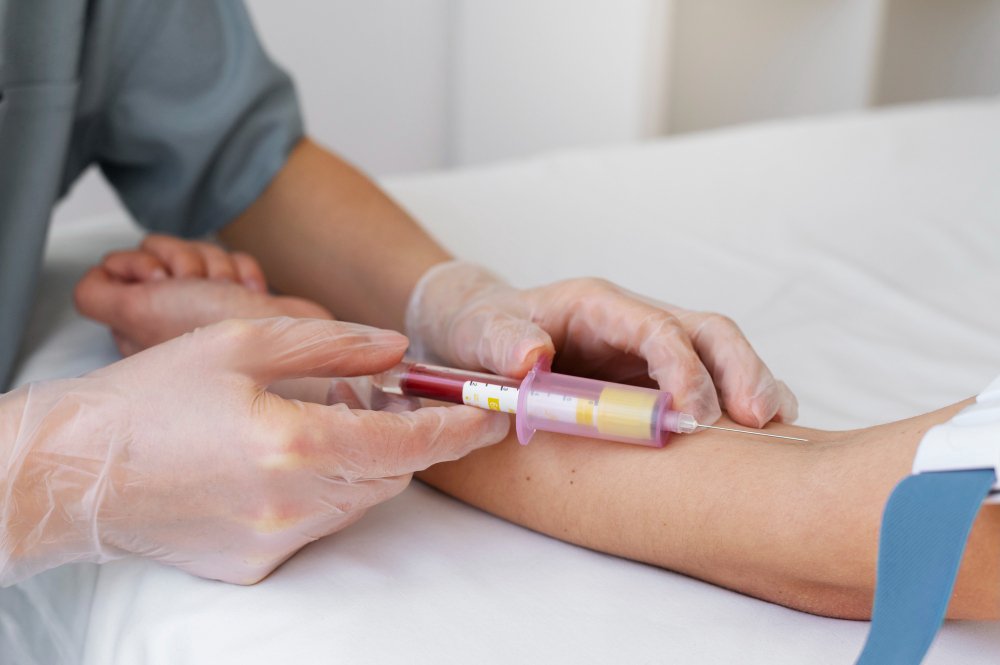
During cardiac profile testing, a nurse will draw a small amount of blood. Sometimes, you may also have an ECG. The blood draw is quick and causes little pain. The ECG is painless and takes only a few minutes. After the tests, you can usually return to normal activities. Results are often ready in a few days. Your doctor will review them with you and explain what they mean.
How Are Cardiac Profile Test Results Interpreted?
Doctors look at each result to see if your levels are healthy. For example, high LDL cholesterol or triglycerides can mean higher heart risk. Low HDL cholesterol may also be a concern. If your blood sugar is high, it could signal diabetes risk. The ECG checks for heart rhythm problems. Your doctor will explain each result and what it means for your heart health. Sometimes, they may suggest more tests or lifestyle changes.
Lifestyle Guidance Based on Test Results
Test results can guide your next steps. If your results show risk, your doctor may suggest:Eating a heart-healthy diet with more fruits and vegetablesExercising regularly, such as walking or swimmingQuitting smoking if you smokeManaging stress through relaxation or hobbiesTaking medicines if needed
Even if your results are normal, healthy habits help keep your heart strong.
Prevention and Heart Health Tips
Keeping your heart healthy is important at any age. Here are some simple tips:Eat less salt and sugarChoose whole grains over refined grainsStay active every dayKeep a healthy weightLimit alcoholGet regular heart health screening
Small changes can make a big difference over time.
When to Consult a Healthcare Provider
If you have a family history of heart disease, high blood pressure, or diabetes, talk to your doctor about cardiac profile testing. Also, if you have chest pain, shortness of breath, or feel dizzy, seek medical help right away. Regular check-ups help catch problems early. Your doctor can guide you on how often to get tested and what steps to take next.
Conclusion
Cardiac profile testing is a key step in protecting your heart. Early testing and healthy habits can lower your risk of heart disease. Consult a healthcare specialist at Lifecure Labs for personalized advice on cardiac profile testing and heart health.